Work
Thirty new projects from the last few years — production products, internal systems, brand books, and concepts. Filter by lens.
The same work as a PDF, twenty-four pages. Download selected work · PDF · 10.4 MB
Showing 30 of 30
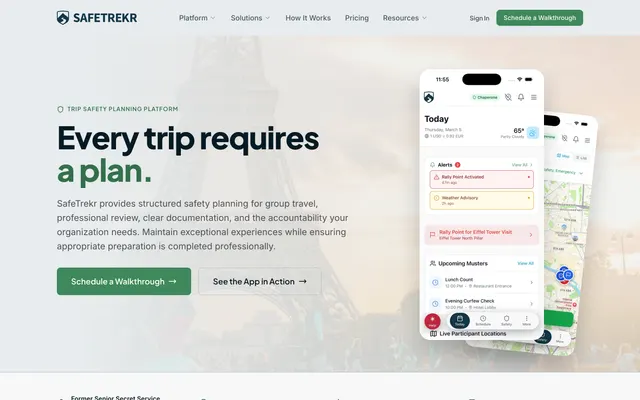
SafeTrekr Platform
Trip safety for whole organizations, in one production platform.
Serras
A governed AI delivery system, in closed beta. The abyss is the stage; amber is the decision.
Harley's
A 40-year clothier gets a brand system.
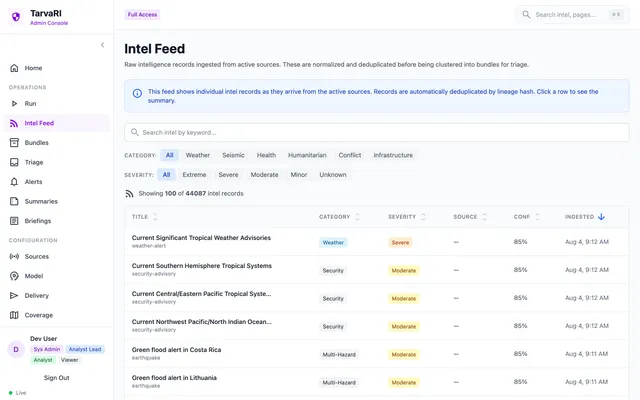
TarvaRI
Public risk feeds turned into trip-specific alerts.
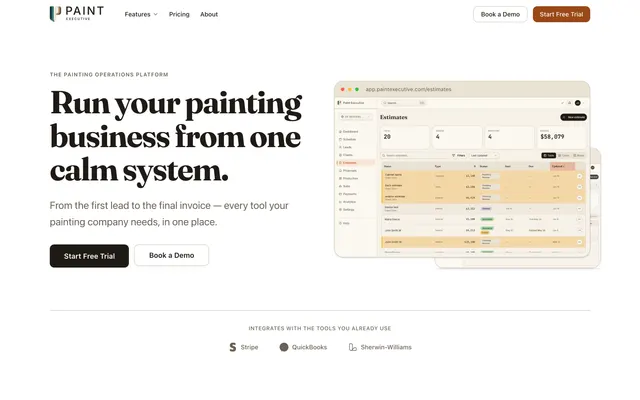
Paint Executive
Seven systems consolidated into one field-service product.
TarvaRI Alert Viewer
A map you can zoom from world to alert.
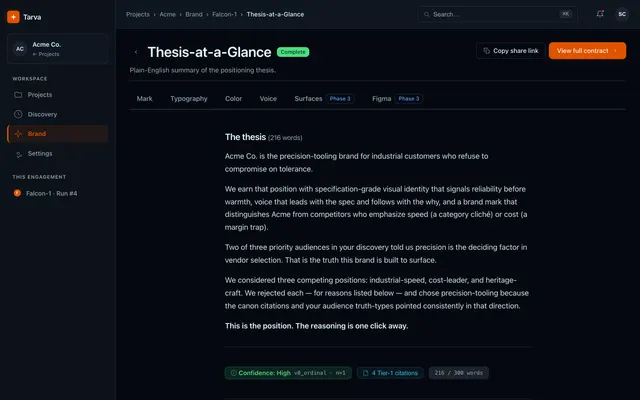
Tarva BXD
Brand decisions you can audit, reasoned against 766 principles.
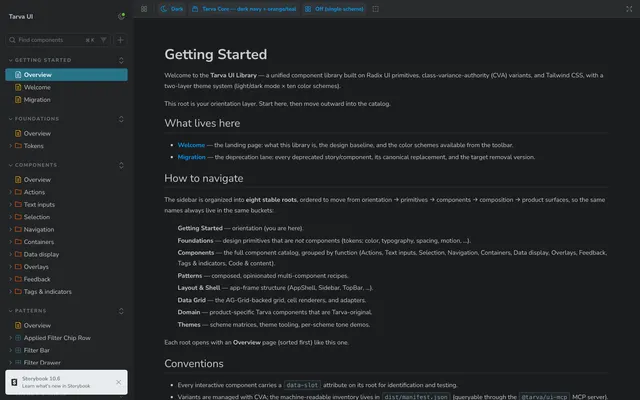
@tarva/ui
One component library, many brands, light and dark.
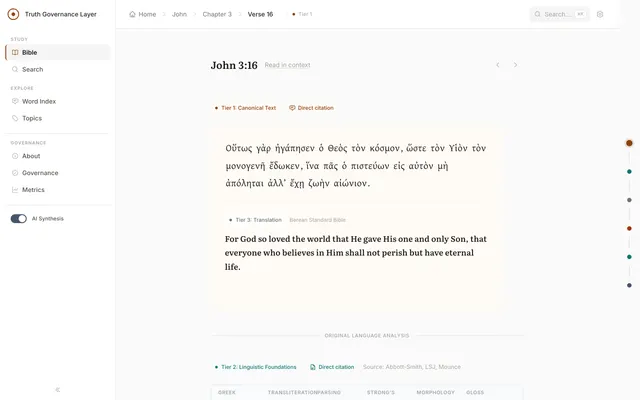
Truth Governance Layer
Provenance you can see, before you trust the answer.
SafeTrekr Website
The public case for reviewing every trip.
Discovery Council
Discovery with evidence, gates, and a human at the end.
Tarva Project Room
Where agent work gets evidence, cost, and approval.
Tarva Convergence
Seven repositories, 21 shared packages, one platform.
AgentGen
140+ specialist agents, reproducible and versioned.
Lumos
Not a brand guide — a brand that behaves.
JTN AI Reaper
A credible identity for a new AI product, in days.
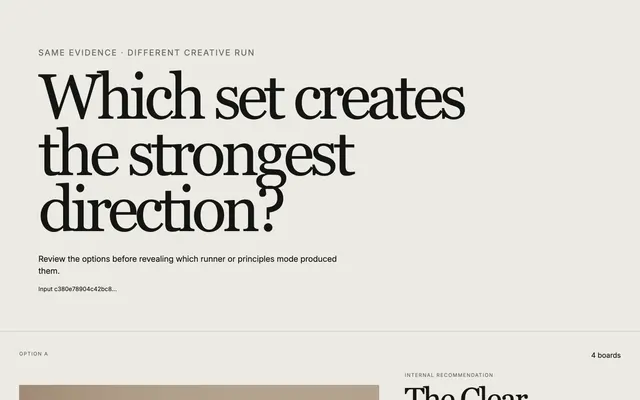
Mood Board Creator
Creative direction, tested blind against a control.
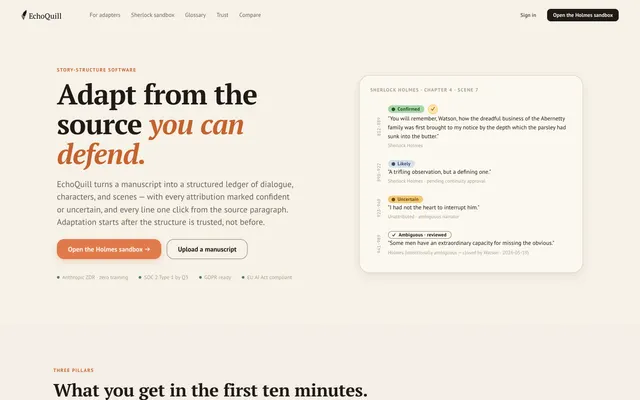
EchoQuill
Adapt a manuscript from a source you can defend.
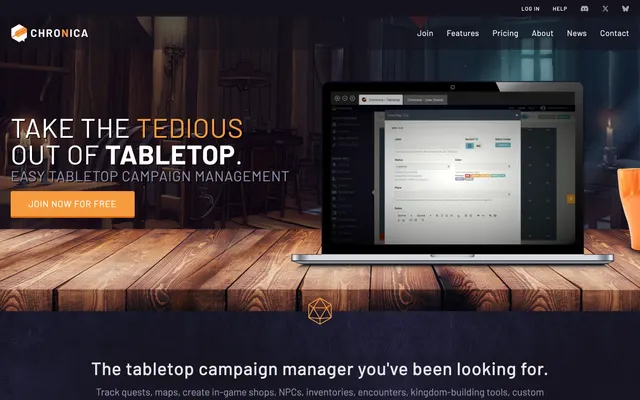
Chronica
Take the tedious out of tabletop.
Skill Resolver MCP
The right skill context, resolved deterministically.
Whitepaper Ensemble Factory
Two weeks of research and publishing, down to hours.
Patent Workflow
Source documents to claim drafts, with consensus checks.
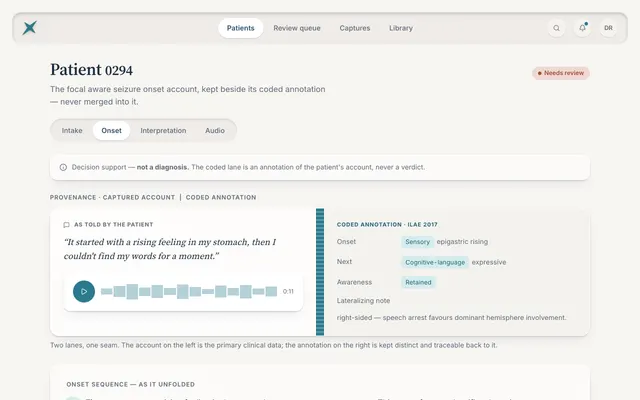
Focal Aware Seizure Research
The first symptom in the patient's own words, captured before it fades.
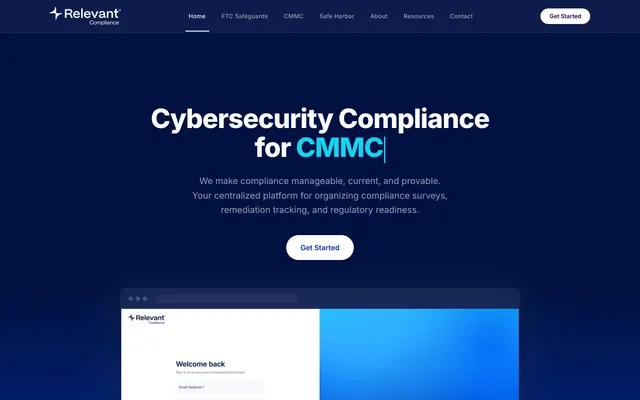
Relevant Compliance
Compliance made legible for people who are not specialists.
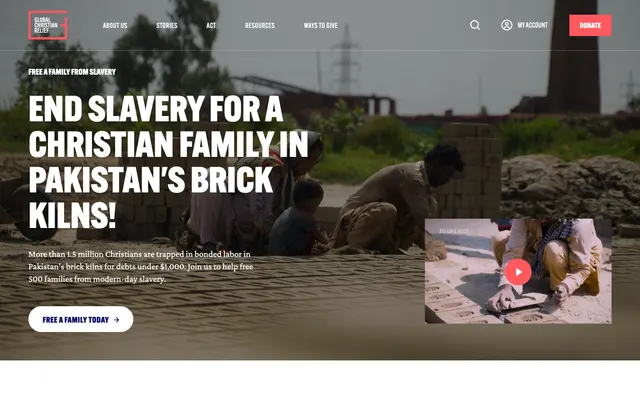
Global Christian Relief
Story into action for a global relief nonprofit.
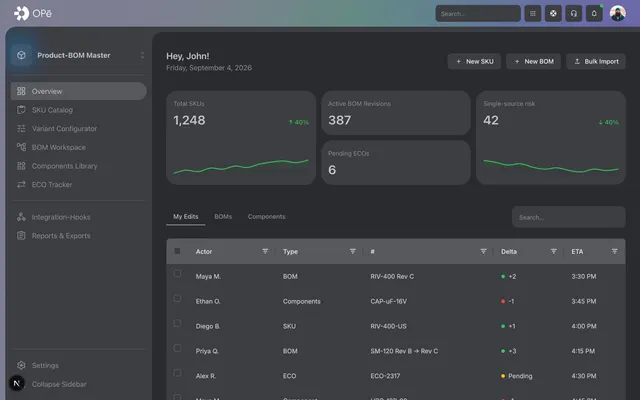
Tarva-ERP for OPē
A manufacturing ERP designed in Figma and taken through a 52-page prototype.
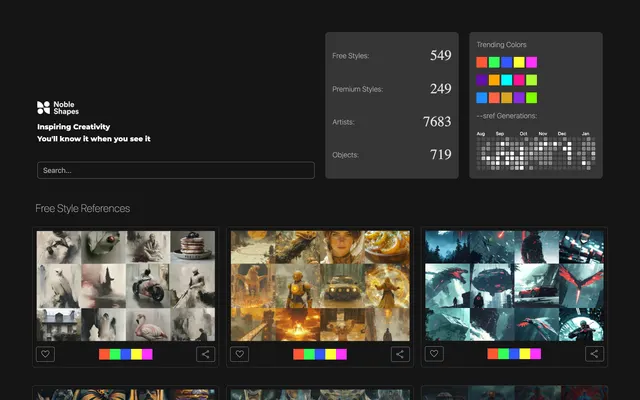
NobleShapes
Repeatable AI image styles, not one-off prompts.
OPē website
Brand assets and a homepage system for a deep-tech company's public face.
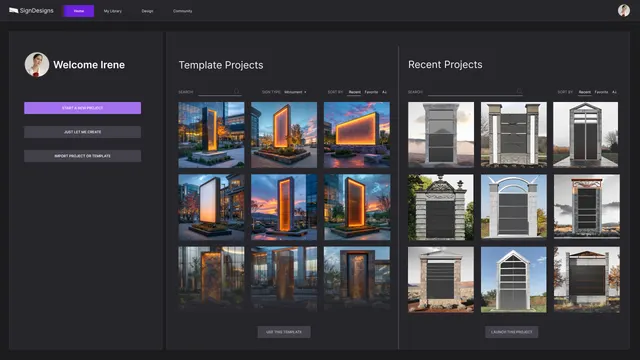
SignDesigns.ai
Design a custom sign before you buy it.
ListenBridge.ai
Translation for the moments that are not transactions.



















































Harley's
A 40-year clothier gets a brand system.
What it is
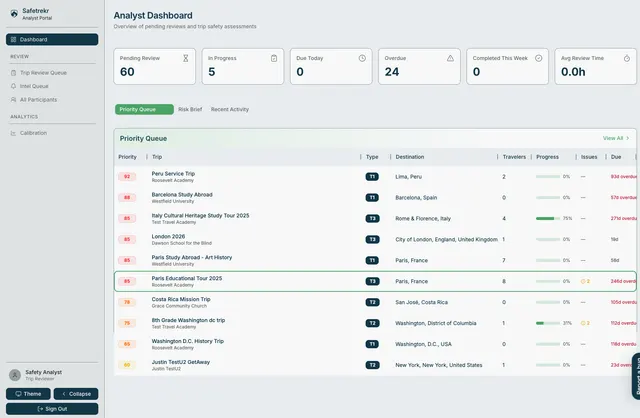
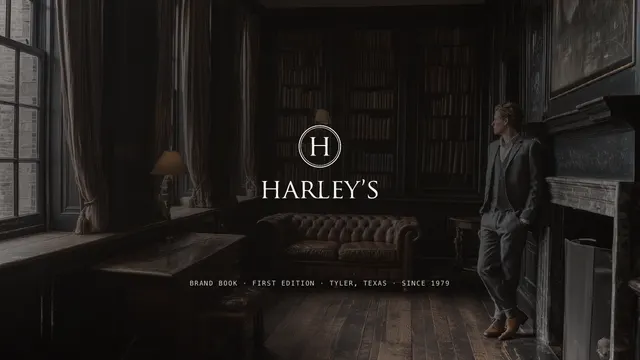
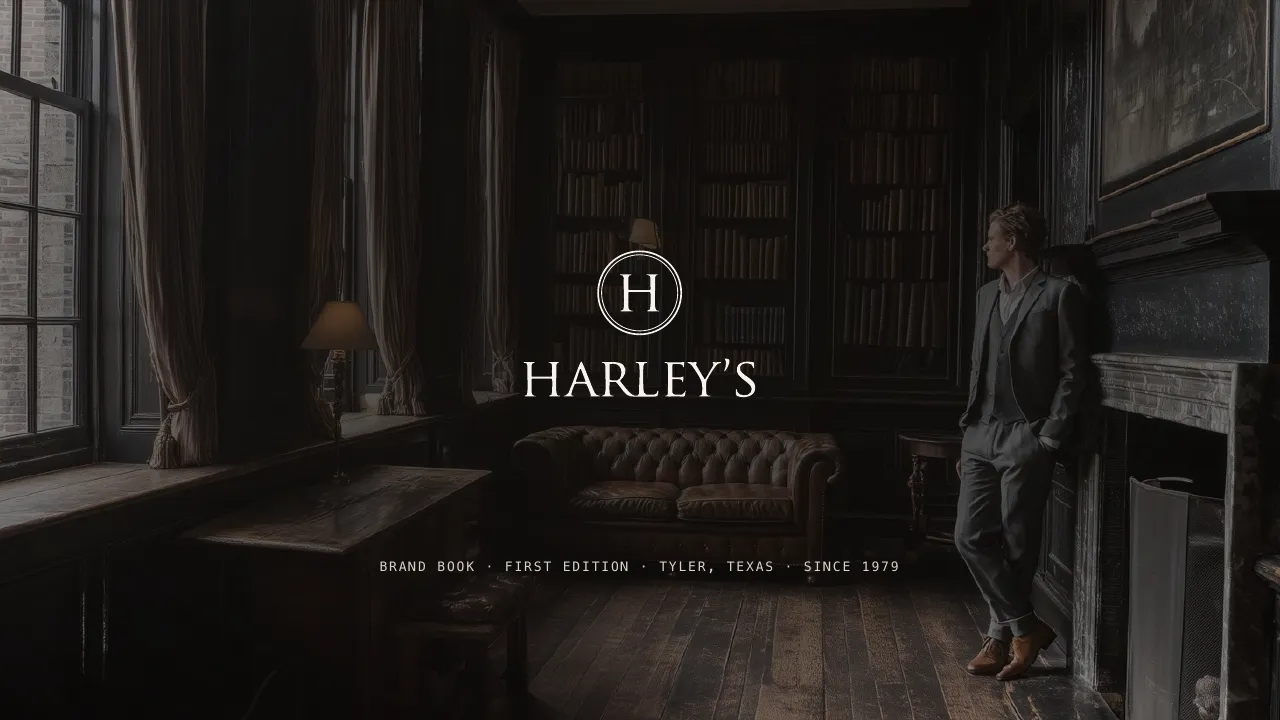
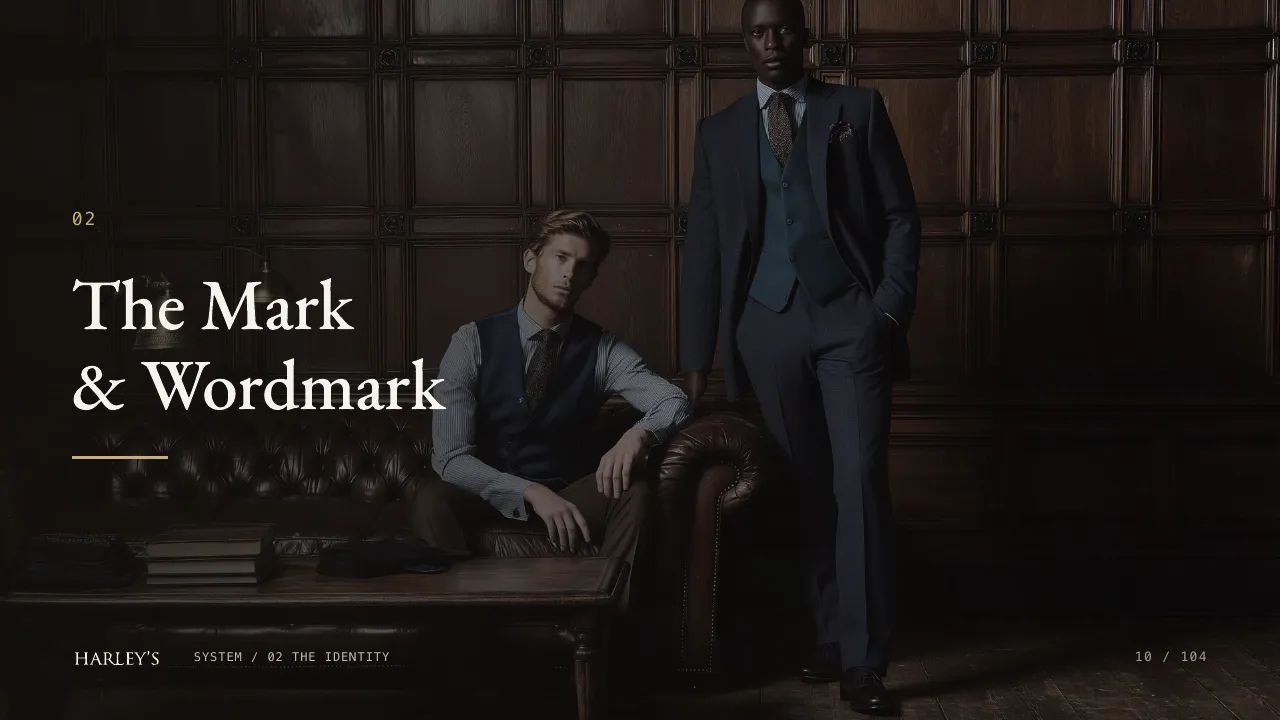
The brand book for Harley's, a men's clothing store and tailor shop, produced for its 2026 website redesign: strategy and story, the medallion mark and wordmark, ink-and-amber color, typography, tokens, grid, and components.
The problem
A 40-year clothier with real craft and no articulated brand system. The website redesign needed a foundation that read as the store feels — kept, quiet, confident — and that a design system could implement.
What we solved
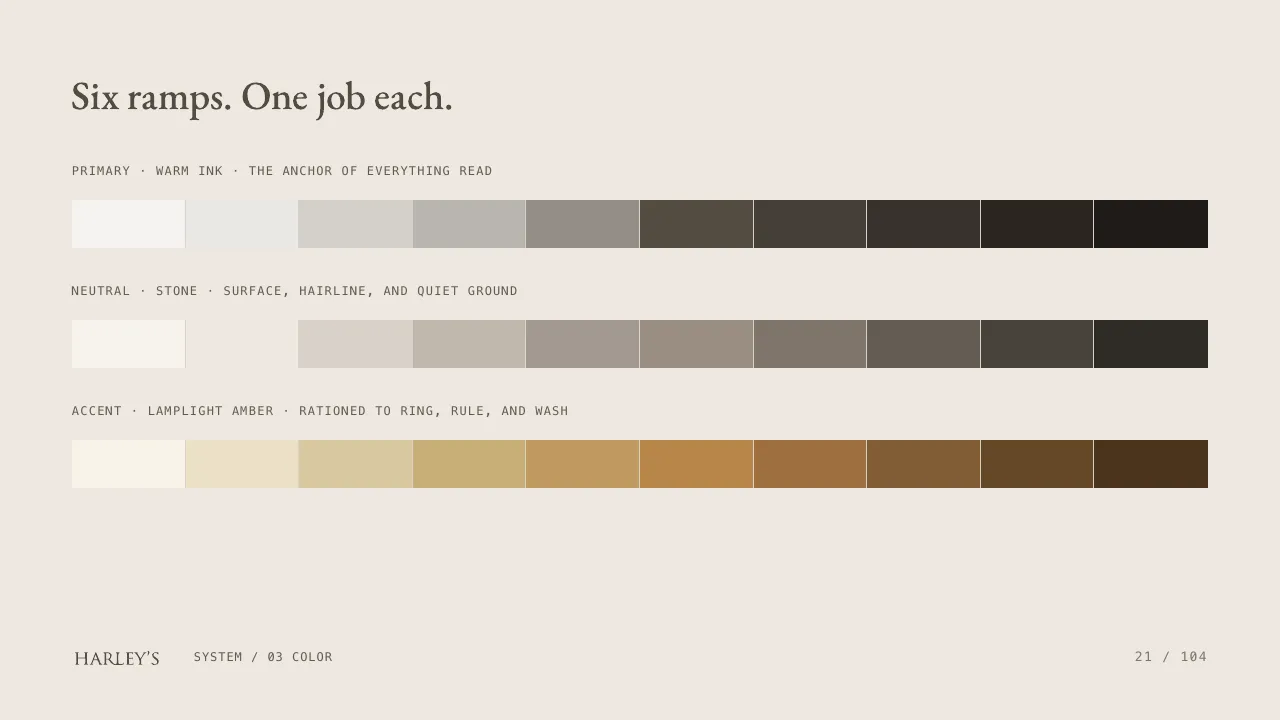
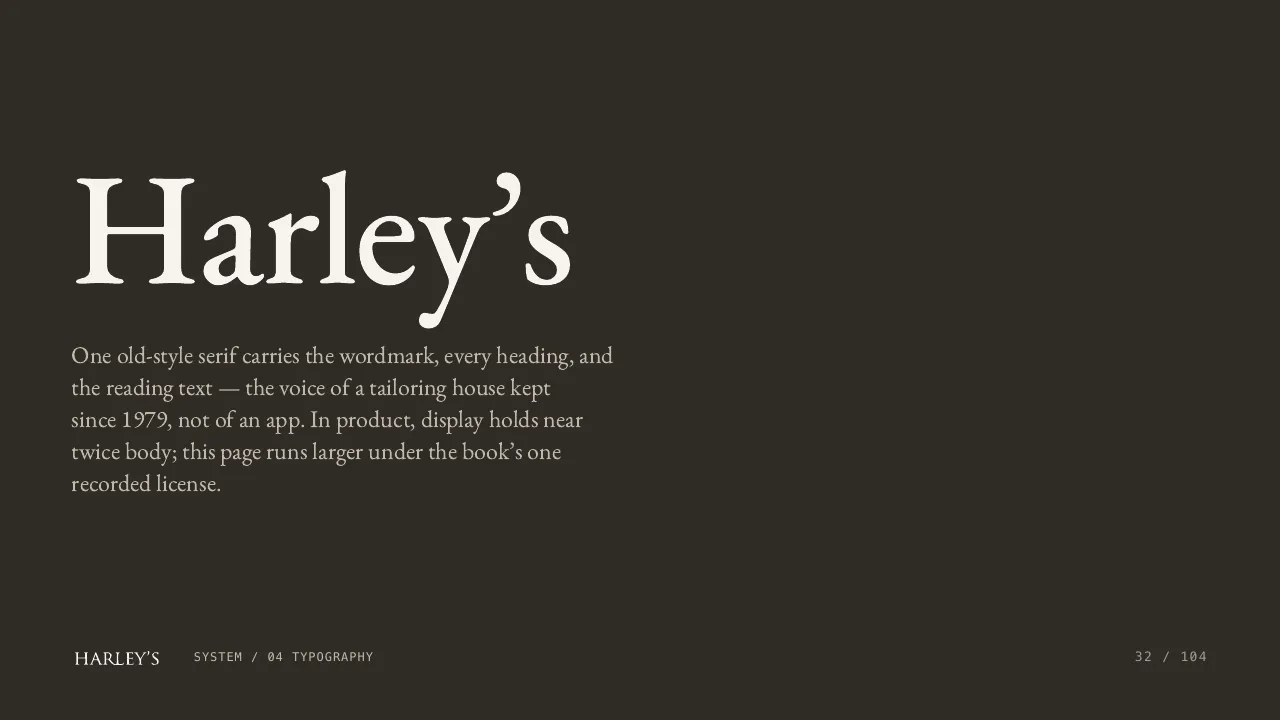
A complete, token-backed identity: one lockup in three sizes, six color ramps with one job each, status as a sign never an alarm, one type family in two registers, and a component set that keeps the room.
My role
I led brand strategy, the identity system, color, typography, tokens, application surfaces, and brand rules — authored through Tarva's BXD method with AI assistance. Art direction and final calls mine.
- BXD
- HTML deck
- branded PDF
- @tarva/ui tokens
- 106 pages
106 pages · delivered as landscape deck, portrait edition, and live tokens